
Test with your own material
Provide a sample and we show you what the deduster does to your dust level.
Dust-removal efficiency
- Send samples for a dust-removal test
- Dust after cleaning typically below 50 ppm
- Other related tests on request
Throughput and energy
- Throughput tests on your material
- Energy-consumption tests on your material
- Other related tests on request
Removed dust analysis
- Particle-size analysis of the removed dust
- Dust content of the cleaned pellets
- Other related tests on request
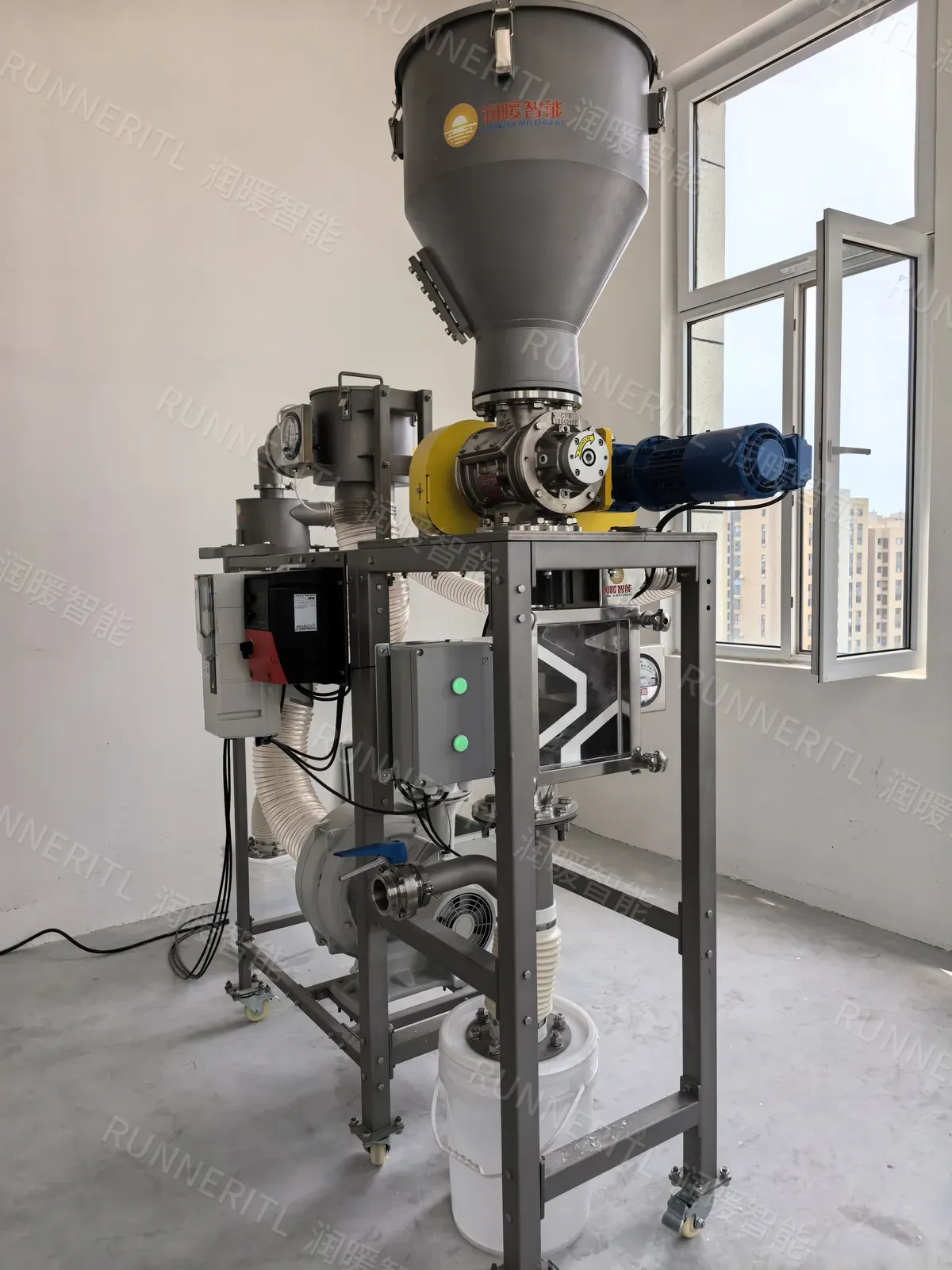
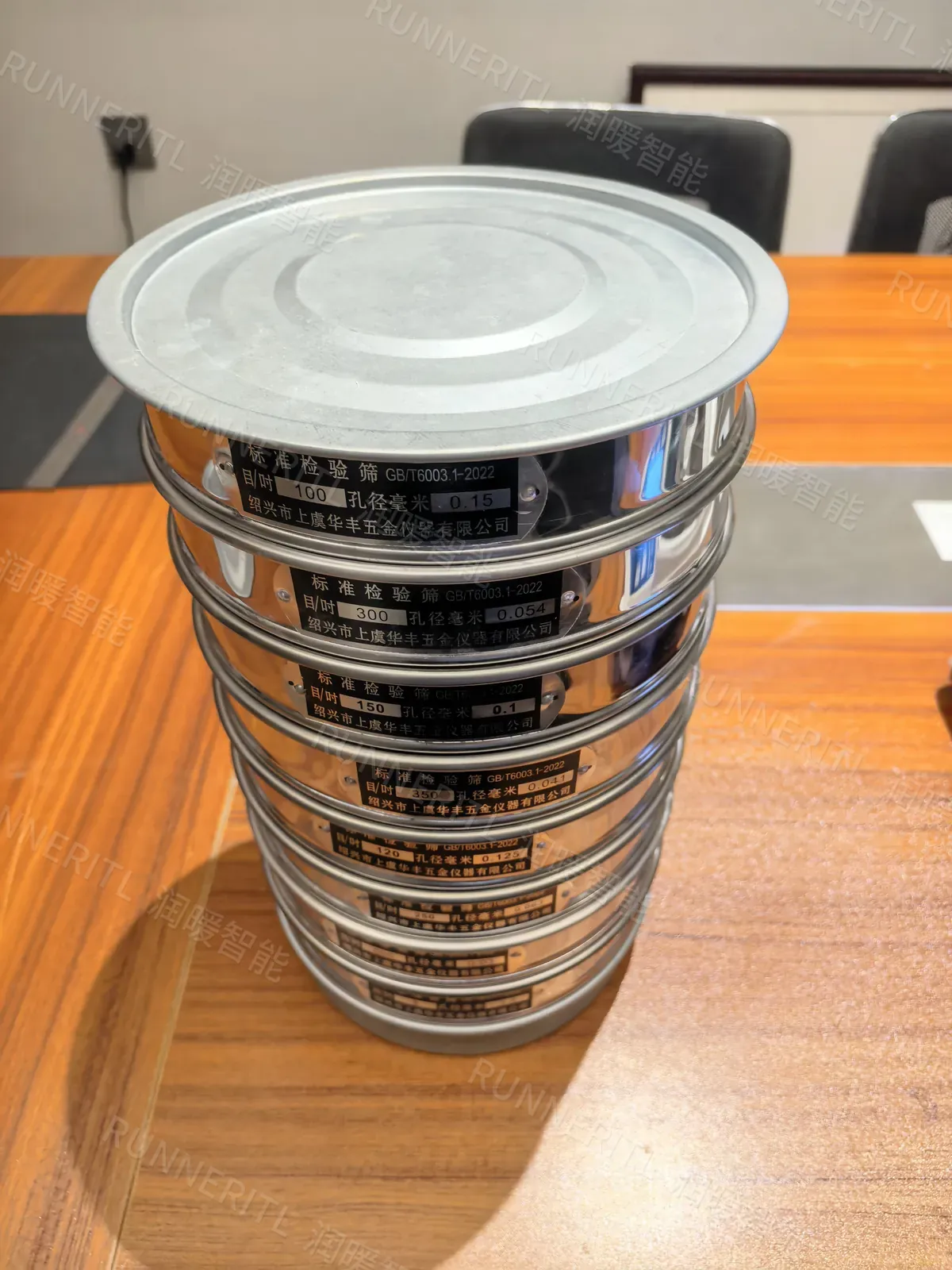
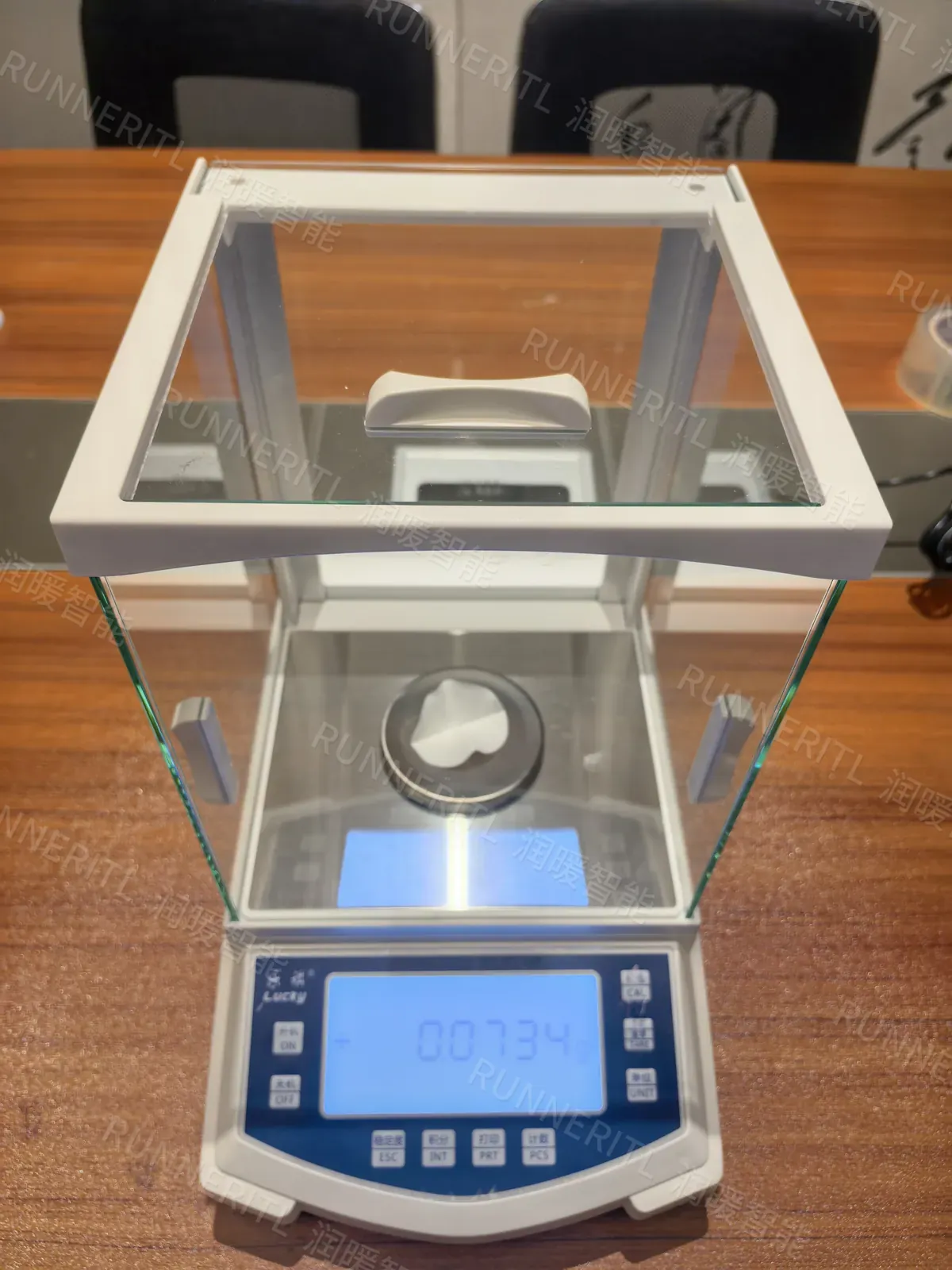
Inside our test lab
We test with your material on our own rig and report the numbers
From sample to report
Send the sample
Material grade, shape, expected throughput and bulk density.
Baseline
We measure the dust content of the incoming material.
Run the deduster
The sample runs through a CF deduster under set conditions.
Measure again
Dust content of the cleaned pellets is measured with the same method.
Report
Before/after ppm, reduction rate and recommended model.
Test methods
Dust is measured before and after the deduster on comparable samples and operating conditions. Standard methods we can work to, depending on your specification:
- ASTM D7486 — wet method for fines below 500 µm, suited to low-ppm residual and static-bound dust
- ASTM D1921 (method B) — dry sieving for coarser fines
- FEM 2.482 — fines and streamers (angel hair) measurement
Results are reported per method and size range; they are not added into a single “total dust” figure.
Send us your material — we'll recommend the right model
Tell us the material, throughput and bulk density. We reply with a model recommendation and a suggested system layout.